


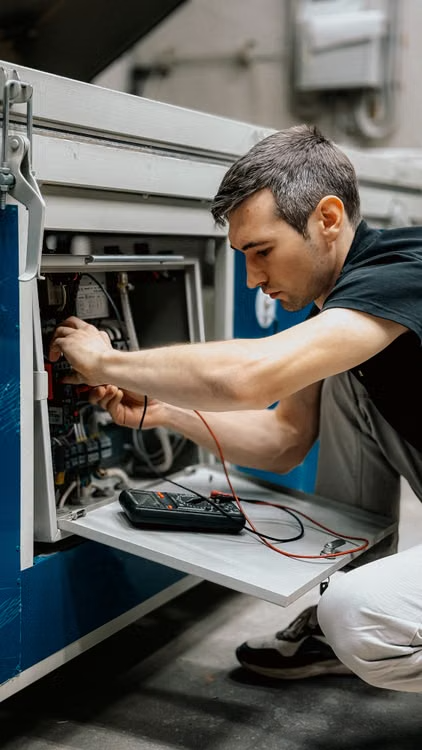
Automation for the semiconductor backend
In the semiconductor backend, small and sensitive components must be handled, inspected, sorted and packed reliably for downstream processes or shipping. At the same time, requirements for process reliability, variant flexibility, traceability and the integration of inspection and data systems are increasing.
BOS develops custom specialized machines and automation solutions for these tasks. A focus is the interplay of handling, feeding, optical and electrical inspection, sorting and Tape & Reel.
The starting point is not an existing machine. Product, package, input, desired process steps, inspection requirements and output form the basis of the machine concept.
Processes
Which processes does BOS automate in the semiconductor backend?
Feeding and singulation
Depending on the application, components can be introduced into the process from trays, tubes, frames, tape, bulk feeders or customer-specific media.
Handling and Pick & Place
Components are picked, transported, rotated, aligned and transferred to defined process or inspection positions.
Optical inspection
Image processing can be used for position and orientation recognition, OCR/OCV, feature inspection and metrological functions. Depending on the application, 2D and 3D measurements are possible.
Electrical testing
Electrical test technology can be integrated directly into the automated sequence. Existing customer measurement and test systems can also be connected.
Sorting, NIO and retest
Inspection results can immediately determine the further material flow. Defective components can be rejected or buffered for defined retest processes.
Tape & Reel and packaging
After handling and inspection, components can be packed orientation-correct into embossed carrier tape. Depending on the application, different combinations of input and output are possible.
Limits
Why standard machines can reach their limits in the backend
In the semiconductor backend, several requirements often have to be met at the same time. A standard machine may handle individual steps reliably and still be unsuitable for the overall process.
Typical challenges include:
In such cases, BOS combines proven platforms and modules with custom engineering. This creates exactly the degree of individualization the process needs.
Discuss your backend process technically
Package, input and the required inspection steps are enough for a first concept talk.
Tape & Reel
Tape & Reel in the semiconductor backend
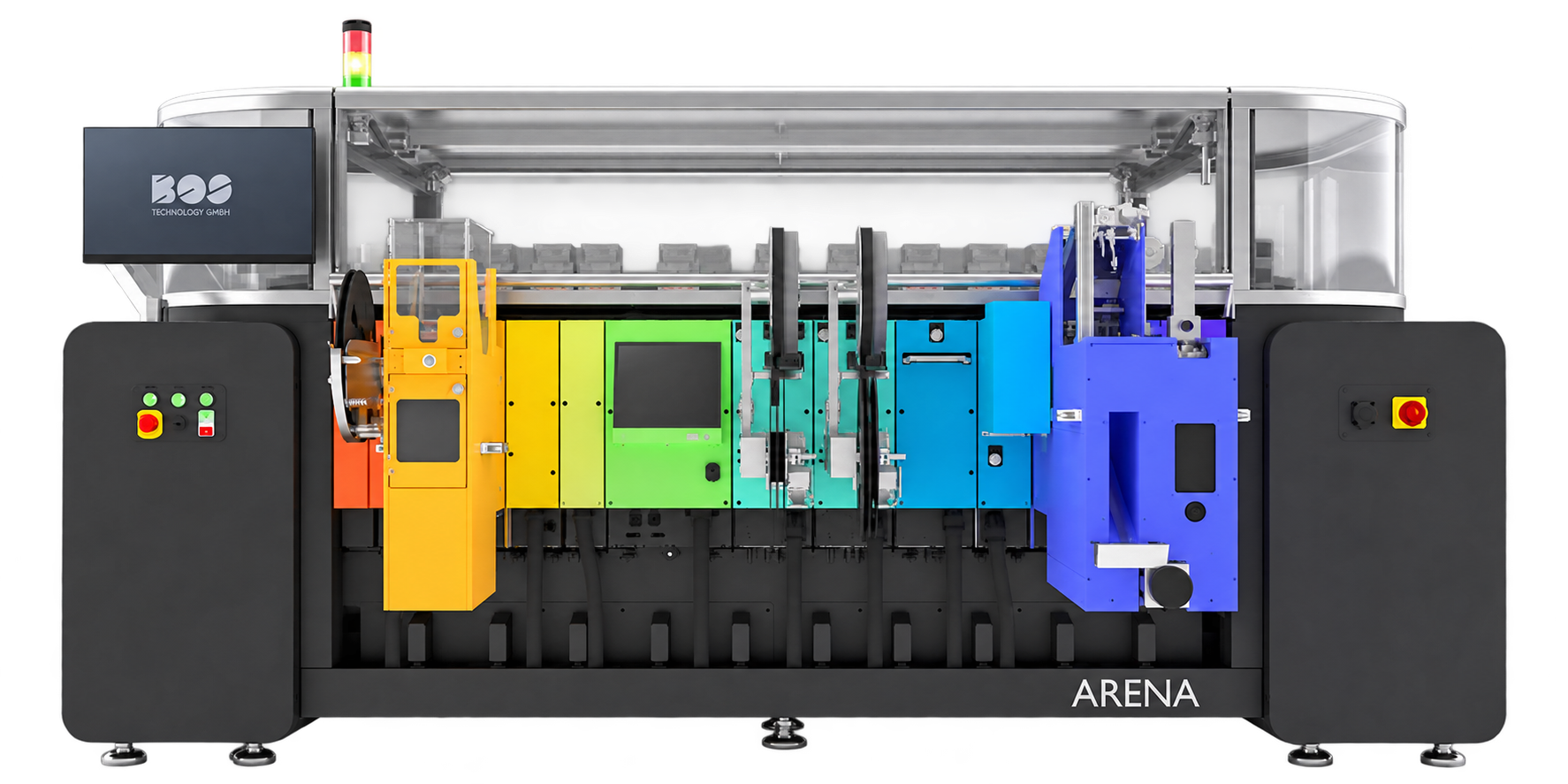
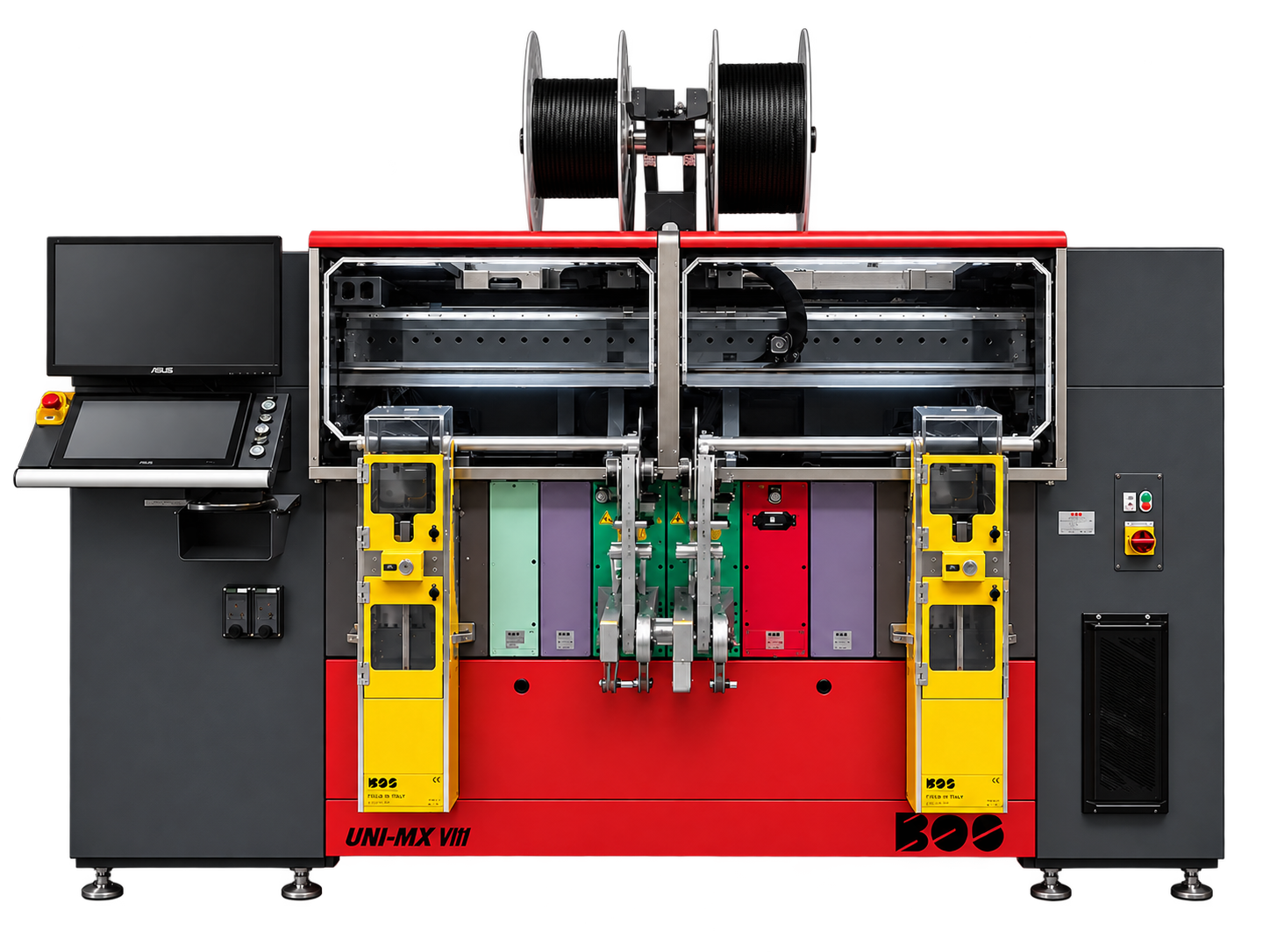
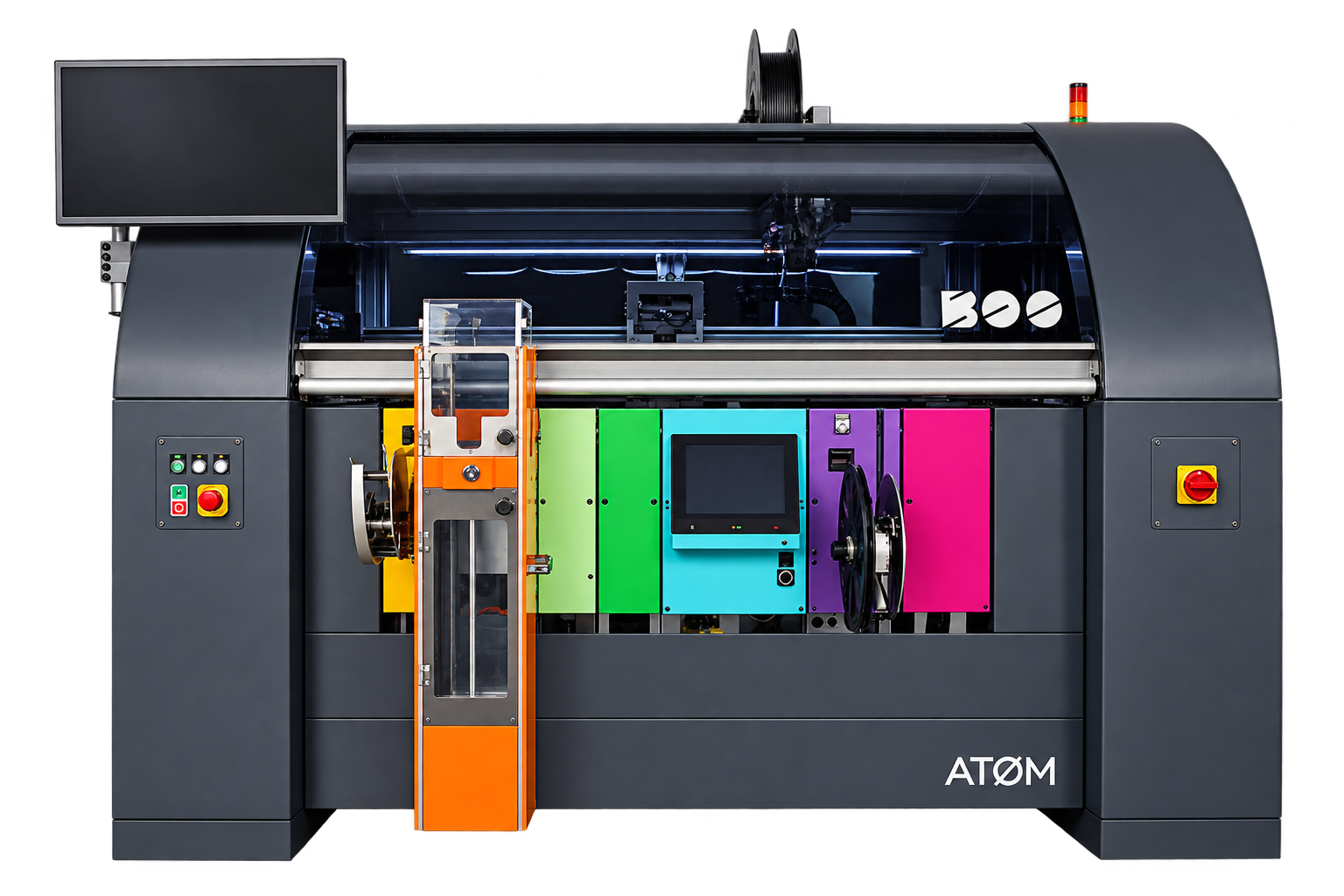
Tape & Reel is a central application area for BOS within the semiconductor and electronics industry. Packaging can be combined with upstream handling, inspection and sorting processes.
Typical material flows include Tray to Tape, Tube to Tape or Tape to Tape. Depending on the application, frames, bulk material or customer-specific carriers can also be integrated.
FAQ
Frequently asked questions about semiconductor backend automation
Which processes can BOS automate in the semiconductor backend?
BOS automates the following process steps, among others. The exact process chain is developed from the respective customer application.
Which semiconductor packages can BOS process?
BOS processes standard packages and customer-specific packages. Technical feasibility also depends on dimensions, material, gripability, input/output medium and the required process steps.
Standard packages include:
How does BOS integrate inspection and quality into the process?
In the semiconductor backend, quality control is often an integral part of automation. BOS can combine optical and electrical inspections with handling, sorting and packaging.
Image processing can serve both process control and quality assessment. Electrical test technology can also be integrated into the machine. If measurement instruments or test systems are already established at the customer, they can be incorporated into the machine concept via suitable interfaces.
Can existing ATE or inspection technology be integrated?
Yes. BOS regularly integrates customer-owned inspection and measurement systems. The connection can include mechanical, electrical and software interfaces as well as data and traceability functions.
How do traceability, MES and production integration work?
A backend machine rarely stands in isolation. Depending on the project, it must communicate with existing machines, test systems, databases or higher-level production systems. Identification systems, camera and image processing systems as well as customer software and process logic can also be part of the integration.
Typical interfaces and connections include:
Which input and output media are possible?
Depending on the process, different carriers and combinations come into question.
Typical media and material flows:
When does a custom backend machine make sense?
When standard machines cannot map the combination of package, handling, inspection methods, variants, input and output media, traceability or existing customer technology reliably or economically enough, a custom machine concept is worth examining.

Want to automate a production process?
You do not need a finished machine specification for a first conversation. Describe your product, today’s process and the desired result. Together we can clarify which automation is technically and economically sensible.
- Complimentary initial consultation
- In-house production – fast and flexible
- 100% optical and electrical quality control